How to Prepare a Bad Weather Backup Plan for Golf Events
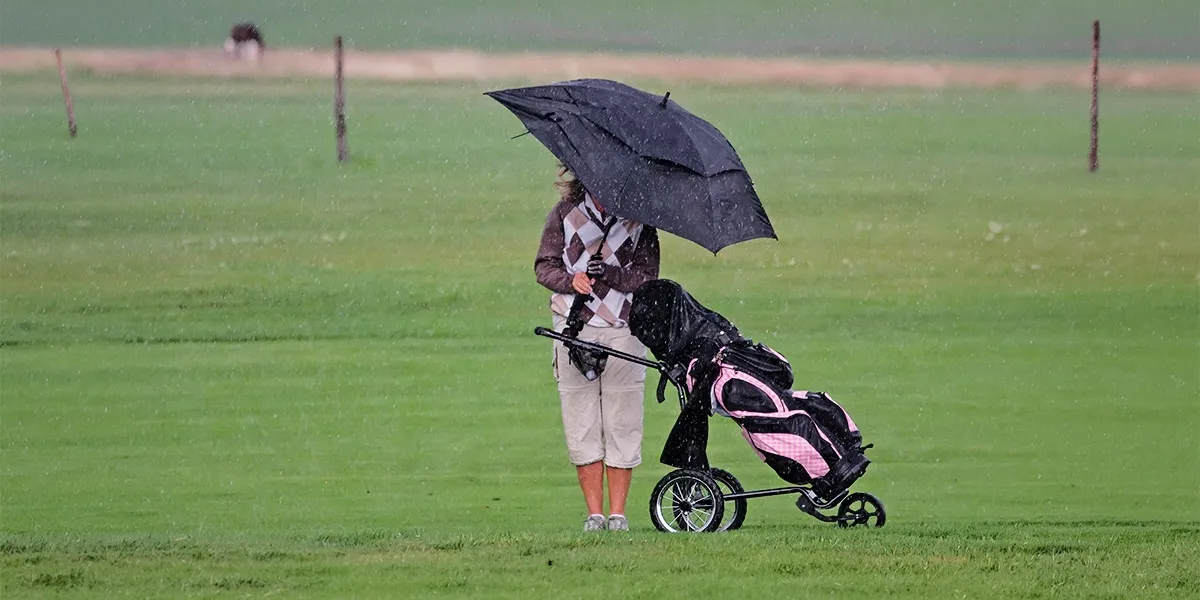
Having backup plans for your golf events in case of bad weather gives you a clear way to handle changes as they come up. It also makes it easier to keep players and sponsors aligned on what is happening, so they can still enjoy the day and stay engaged.
Let’s walk through how to plan for weather and ensure everything runs smoothly, no matter the conditions outside.
Weather Conditions That Impact Golf Events
Weather conditions can shift quickly on the course, and understanding what to watch for helps you respond effectively.
Rain softens fairways, affects ball roll and changes the pace of play. Stronger winds and hail often signal the development of more severe conditions, so monitoring official weather advisories is necessary. Heavy storms typically require immediate action to keep everyone safe. When lightning is visible or thunder is audible, everyone should stop play and move to a secure, enclosed space.
Your golf tournament weather plan must account for these conditions and include clear protocols your team can follow.
Building Your Rain Plan for a Golf Tournament
Planning ahead makes all the difference when the weather doesn’t cooperate. Here are the steps to take to run a golf tournament, rain or shine:
1. Choose a Supportive Venue
A venue that has your back will make managing the weather simple. When choosing a course for your event, you should:
- Ask about course closure rules: Find out exactly what conditions trigger a pause or postponement, so you can plan ahead.
- Clarify rain-check policies: Know if they offer rain protection and how they handle reschedules, refunds or credits.
- Inspect backup options: Check if they provide covers or canopies and internal facilities for alternative on-site activities.
- Walk the course: Look at exposed areas, cart paths and shaded spots to anticipate how participants may move.
Remember to confirm all policies and options before signing the contract to avoid surprises on the day.
2. Monitor the Weather
Start checking forecasts in the weeks leading up to your event. You should pay attention to the precipitation probabilities, temperature highs and lows, wind speeds and storm alerts, as all of these affect play and player comfort.
Comparing multiple forecasts can provide you with peace of mind. Once you know what the weather will likely be like, you can set rain dates and narrow down venue options.
3. Define Your On-the-Day Decision Criteria
You will need clear rules in advance for what triggers delays, suspensions or cancellations. Start by pinpointing the weather conditions that could affect your day, and then decide who has the authority to make the final call. It is important to include specific thresholds to guide these decisions.
For example, pause play if there is lightning or switch to cart-path-only rules if there are downpours. Document these criteria and share them with your members, volunteers and vendors to ensure everyone is on the same page.
4. Create Contingency Budgets and Timelines
Planning for bad weather is also about staying financially and operationally ready. Create a contingency budget and timeline.
Set aside funds for essentials, like extra tents, covered areas, rain protection gear, additional staff and possible vendor fees if rescheduling becomes necessary. Don’t forget small, easily overlooked items, such as signage, cart path maintenance and refreshments for waiting players.
Create backup schedules for rounds and activities. A clear set of Plan Bs and Plan Cs keeps play moving and ensures everyone stays engaged. Be ready to compress or stagger tee times, adjust course rotations or shift the order of contests in case of interruptions.
5. Create an Action Plan
Your action plan is your playbook for on-the-spot decisions during the event. It ensures that when conditions shift, your team responds quickly and confidently without disrupting the experience for everyone.
When creating your plan, think about the following:
- Course modifications: Set rules in advance, like cart-path-only play or shortening holes if necessary. Identify areas where tee boxes or greens can be shifted to avoid standing water or unsafe conditions.
- Protective measures: Plan where tents and coverage can be deployed quickly, and who will be responsible for them. Have protocols in place to guide players and sponsors safely into clubhouses or lounges for shelter.
- Roles and responsibilities: Assign specific tasks to staff and volunteers, such as monitoring weather updates, notifying players, managing tee times and assisting with covered areas.
A well-prepared plan ensures the day flows naturally, players stay engaged and sponsors experience the value they expected. If rounds are on hold, you can arrange alternative on-site activities to maintain energy and excitement, including:
- Short putting contests: Set up indoor putting challenges or mini-golf games to keep the competitive spirit alive.
- Covered lawn games: Move cornhole or other activities under tents where players can continue to enjoy themselves.
- Raffles and auctions: Host prize drawings or live auctions to keep attendees entertained and raise additional funds.
- Trivia and quizzes: Organize golf-themed trivia or interactive quizzes that engage participants and sponsors.
- Photo booths: Set up pop-up photo opportunities for players and sponsors to capture memories.
- Sponsor workshops: Invite sponsors to host interactive demonstrations that showcase their products or services.
6. Keep Everyone Informed
Clear communication is the glue that holds your backup plans together. Before the event, make rain dates and weather policies visible on your main website, registration pages and confirmation emails. This can help present your organization as proactive and reliable, which builds trust with sponsors and players well before the first tee shot.
During the event, provide real-time updates using announcements, short message service (SMS) alerts or staff runners. Having an assigned spokesperson is helpful and ensures everyone knows who to contact for questions. Timely messaging helps participants pivot without confusion or frustration.
After the event, follow up with attendees to recap how any changes were handled, highlight key moments and thank them for their flexibility. Consider providing player gifts, like duffels, tumblers or divot tool kits. Make sure sponsors are acknowledged for their support. This way, everyone leaves feeling appreciated, setting your future events up for success.
Ready to Host a Flawless Event, Rain or Shine?
Putting the right weather plan in place for outdoor events is the first step toward a successful golf tournament. The next is having the tools and support to execute it flawlessly.
At Perfect Golf Event, we’ve been helping organizers navigate every challenge, from unpredictable weather to last-minute logistics, since 2015. Our software streamlines your planning process, and our team of coaches provides hands-on expertise to help you prepare for any scenario.
Call us at 877-799-3686 or contact us online to get started, and let’s make sure your event goes off without a hitch — no matter what the forecast brings.